Best gardeners for terraces on Stockwell Park Estate
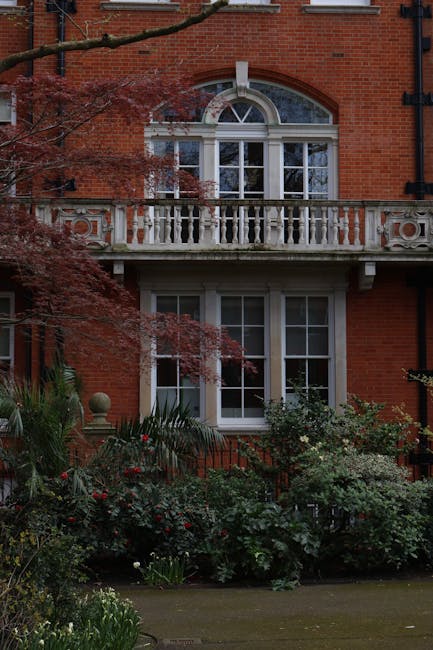
If you live on Stockwell Park Estate and your terrace is starting to feel more "stuffed balcony" than calm outdoor room, you are not alone. The best gardeners for terraces on Stockwell Park Estate understand the awkward bits: limited space, wind exposure, neighbour privacy, container drainage, and the constant fight between a beautiful planting scheme and practical maintenance. A good terrace gardener does more than make things look tidy. They help you create a space that works on busy London days, stays manageable through the seasons, and still feels like somewhere you actually want to sit with a cup of tea at 7:30 on a grey morning.
This guide breaks down how terrace gardening works, what to look for in a gardener, common mistakes to avoid, and the kinds of services that make the biggest difference. If you are comparing options, it should help you make a sensible choice rather than a rushed one.
Why best gardeners for terraces on Stockwell Park Estate matters
Terraces look simple from the outside. A few pots, perhaps a railing planter, maybe a compact table if the space allows. In reality, they are one of the trickiest garden types to maintain well. Terrace spaces are exposed, often shaded by surrounding buildings, and they can dry out quickly in warm weather while still becoming waterlogged after heavy rain. That combination catches people out. Quite often, the issue is not lack of enthusiasm. It is lack of a proper plan.
The right gardener brings structure to the space. They understand plant choices that suit a windy spot, how to make containers easier to water, and how to keep surfaces clean and safe without overcomplicating things. On Stockwell Park Estate, where outdoor areas may need to be shared, overlooked, or worked around in tight access conditions, that practical approach matters even more.
There is also the visual side. A terrace can become an extension of your home rather than a forgotten corner. With the right layout, a small space can feel bigger, calmer, and far more personal. That is not marketing fluff. It is usually the difference between a terrace you pass through and one you use every day.
Key point: on terraces, good gardening is less about "more plants" and more about smart decisions that hold up in real life.
How best gardeners for terraces on Stockwell Park Estate works
A strong terrace gardening service usually starts with a simple assessment. The gardener looks at light, wind, shade, access, drainage, the condition of any existing containers, and how you want the space to feel. Do you want greenery for privacy? Edible planting? Easy maintenance? A more decorative look? These choices shape the whole plan.
Then comes the practical design stage. For terraces, that might mean:
- choosing containers that match the size and weight limits of the space
- placing taller planting where it helps with screening
- grouping pots to create visual depth without clutter
- using compost and irrigation methods that suit London weather swings
- thinking about access for watering, pruning, and seasonal refreshes
After that, the gardener may help with planting, ongoing maintenance, and occasional improvements such as tidy edging, container replacement, or soft landscaping touches. If your terrace includes decking, a stable planting layout often works best alongside a clean, well-kept surface. In some homes, that also means planning around decking services so the outdoor area feels cohesive rather than patched together.
There is usually no single "right" method. A family terrace used for summer meals, a private top-floor terrace, and a compact communal-style outdoor space all need slightly different thinking. That flexibility is a sign you are dealing with someone experienced, not someone who only knows how to mow a lawn and call it a day.
Key benefits and practical advantages
The best terrace gardeners do not just make things pretty. They make the space easier to live with. That is the real win.
1. Better use of limited space
On a terrace, every square metre matters. A careful gardener can create a sense of flow so the area feels open, not cramped. They may use vertical planting, layered containers, or a compact seating zone with planting around the edges. Small space, yes. Small outcome, no.
2. Less day-to-day stress
A well-set-up terrace reduces maintenance headaches. Plants are matched to the conditions, watering is more efficient, and the whole space becomes easier to keep tidy. This matters if you have a busy schedule or travel frequently. Nobody wants to come back to a row of wilted pots and soggy soil.
3. Improved privacy and comfort
Thoughtful planting can soften sightlines and make a terrace feel more secluded. That can be especially helpful on estate-style properties where neighbours are close by. Screening does not need to feel fortress-like. In fact, the best results usually feel subtle and natural.
4. Healthier plants and better long-term value
Terrace planting that is installed properly usually lasts longer and looks better through the seasons. Good drainage, sensible plant selection, and regular care all reduce replacement costs over time. It is the difference between constant patch-up work and a garden that settles in properly.
5. A better outdoor routine
When a terrace is arranged well, you use it more. Morning coffee, evening air, a few herbs for cooking, maybe somewhere to read for ten quiet minutes. That daily usability is a real benefit, even if it sounds a bit simple.
If you are comparing services, a broader services overview can help you see how terrace gardening fits alongside maintenance, planting, and related outdoor work.
Who this is for and when it makes sense
Terrace gardening is not just for people with a passion for plants. It is for anyone who wants their outdoor space to stop feeling like an afterthought.
You may be a good fit if:
- your terrace is too small or awkward to manage alone
- you want containers, herbs, shrubs, or seasonal colour but are not sure what will survive
- the area gets strong wind, harsh afternoon sun, or deep shade
- you need the space to feel private without blocking light completely
- maintenance has slipped and the terrace now needs a proper reset
- you want a better outdoor area before spring, summer, or a family event
It also makes sense if you have already tried the DIY route and discovered that terrace gardening is not as forgiving as it looks. To be fair, plenty of people start with good intentions and a few lovely pots, then realise the watering, feeding, pruning, and replacement cycle can become a second job.
For some households, a one-off redesign is enough. For others, ongoing garden maintenance is the smarter choice, especially when the terrace includes mixed planting, climbing features, or seasonal rotations.
Step-by-step guidance
If you want a terrace that feels polished and easy to look after, a structured process helps. Here is the practical route I would recommend.
- Assess the terrace honestly. Look at light, shade, wind, drainage, surface condition, and how much time you can realistically give it each week.
- Decide the main purpose. Is the space for relaxing, privacy, herbs, flowers, or all of those in a smaller mix?
- Clear out what is not working. Old pots, tired compost, damaged planters, broken supports, and self-seeded clutter should go first. Sometimes a professional garden clearance saves a lot of faffing about.
- Choose a simple planting structure. Use a few reliable plant types instead of too many different ones. Repetition usually looks smarter than a crowded jumble.
- Check containers and drainage. Pots need the right size, stable base, and drainage holes that actually work. Waterlogging is a common terrace killer.
- Install or refresh the planting. Match plants to conditions rather than to a catalogue photo. Looks matter, but survival matters more.
- Set a maintenance rhythm. Regular deadheading, feeding, pruning, and watering should be planned from the start.
- Review after a few weeks. A good gardener will notice what is thriving and what needs adjusting. That feedback loop is where the real improvement happens.
A small note from experience: terraces often improve in stages. The first stage makes them tidy. The second makes them enjoyable. The third is where they start to feel like part of the home. It is worth taking it step by step.
Expert tips for better results
Here are a few practical ideas that make terrace gardening much easier to live with over time.
- Use fewer plant types, but repeat them. Repetition gives a terrace calm and structure. Too many varieties can look busy in a not-very-good way.
- Think about weight early. Large ceramic pots, filled planters, and water-heavy features can create unnecessary loading. On upper terraces especially, lighter materials are often easier to manage.
- Prioritise reliable structure over novelty. A couple of evergreen elements, one or two seasonal highlights, and a simple herb section can be more effective than trying to squeeze in every idea at once.
- Plan watering access. If you cannot reach a planter comfortably, it will probably become the one you neglect. Funny how that happens.
- Mix texture, not just colour. Leaves, stems, flowers, and pot finishes can all work together. A terrace can look elegant without being loud.
- Keep sightlines in mind. On a close-knit estate, the angle of a planter or taller plant can make a big difference to comfort and privacy.
- Ask for honest maintenance advice. Some planting schemes look great for two weeks and become a headache by month two. A good gardener will tell you that, gently but clearly.
If trees or taller planting are part of the terrace environment, it may also be worth discussing tree lopping and removal where appropriate, especially if overhanging growth is affecting light or safety. That should always be handled with care and proper judgement.
Common mistakes to avoid
Terrace gardening errors are usually practical, not dramatic. A space only needs a few small misjudgements to start feeling awkward.
Overcrowding the terrace
It is tempting to buy one more pot, then one more. Before long, the terrace feels like a storage corner with leaves. Leave breathing room. You will notice the difference immediately.
Ignoring drainage
Terraces can hold water in ways that surprise people. Blocked drainage, saucers left full of water, and heavy soils all cause trouble. Root health matters just as much as the visible top of the plant.
Choosing plants for looks only
A plant that thrives in a sheltered garden bed may struggle on an exposed terrace. Wind tolerance, root space, and light levels matter. This is where local judgement helps.
Forgetting seasonal change
Terraces are not one-season projects. What looks good in May may need support, pruning, or replacement by August. A long-term plan beats a one-off flourish every time.
Making maintenance too complicated
If a terrace only works when you have three free hours and perfect weather, the setup is too complicated. Keep the care routine realistic. Really, keep it realistic.
Mixing too many finishes and styles
Different pot colours, random furniture, and mismatched accessories can make even healthy planting look messy. Simplicity is underrated.
Tools, resources and recommendations
You do not need an enormous toolkit for a terrace, but a few well-chosen items make life much easier.
- Lightweight planters for easier movement and lower loading
- Quality compost suited to containers, not just general garden fill
- Watering can or hose access that matches the actual layout
- Secateurs and small shears for tidy pruning and deadheading
- Plant supports for climbers, top-heavy stems, or wind-prone areas
- Mulch or top dressing to help retain moisture and improve appearance
- Gloves and a storage caddy so maintenance does not become a hunt around the flat
If you want to compare services or see what else is available beyond terrace-specific work, the landscape gardening and landscaping pages are useful places to understand broader options. For neat edges, climbers, and structure, hedge trimming can also be relevant where screening plants form part of the design.
For a calmer outdoor result, it is often smarter to invest in a few durable basics than a trolley full of decorative extras. There is a reason the best terraces tend to feel composed rather than crowded.
Law, compliance, standards, or best practice
Terrace gardening is not usually a heavily regulated activity, but there are still sensible standards and responsibilities to keep in mind. On estates and in shared buildings, it is wise to think about access, fire safety, drainage, building rules, and the condition of surfaces or railings before making changes. If you are adding large containers, raised planters, or any heavier feature, it is sensible to consider weight loading and check whether anything needs approval from your building management or landlord.
Professional gardeners should also work in a way that reflects common UK best practice: using safe working methods, keeping tools secure, reducing trip hazards, and disposing of waste responsibly. If you are hiring help, it is fair to ask about their approach to health and safety and insurance and safety. That is not being picky. It is sensible.
Good waste handling also matters. Compost, old soil, damaged plant material, and broken containers should be dealt with properly, and where recycling is possible it should be part of the plan. If sustainability is important to you, ask how green waste is managed and whether the gardener follows practical recycling and sustainability practices.
If you are comparing service terms, pricing information, and how work is handled, the relevant pages on pricing and quotes and terms and conditions can help you understand expectations more clearly. That transparency usually saves everyone time.
Options, methods, or comparison table
Not every terrace needs the same kind of gardener. Some people just need a tidy-up and a planting reset. Others need ongoing support. Here is a simple comparison.
| Approach | Best for | Strengths | Limitations |
|---|---|---|---|
| One-off terrace refresh | Neglected spaces or pre-event makeovers | Fast visual improvement, clears clutter, resets the space | Needs follow-up care to stay looking good |
| Regular maintenance | Busy households and planted terraces with mixed containers | Stable appearance, healthier plants, fewer surprises | Requires a recurring budget and scheduling |
| Design and planting project | Terraces that need a new layout or privacy improvements | Creates a clearer long-term structure | May take longer to settle in |
| Combined landscape approach | Terraces with decking, seating, screening, and planting together | More cohesive overall result | Can involve more planning and coordination |
If your terrace is part of a broader outdoor improvement plan, a gardener who understands both planting and hard surfaces can be especially helpful. Sometimes the best result comes from thinking about the terrace as one connected space, not a bunch of separate jobs.
Case study or real-world example
Imagine a Stockwell Park Estate terrace that had become a bit of a holding area: three tired pots, one broken planter, a few leggy herbs, and a patch of decking that never quite looked clean because the plants were in the wrong place. Nothing disastrous. Just one of those spaces people keep meaning to fix.
A sensible first step would be to clear the dead material, sort the layout, and decide what the terrace should actually do. In this kind of setup, the gardener might keep one compact herb area near the door, add two or three sturdy containers for structure, and use taller planting in the rear corners to create privacy. The surface would be left open enough for a chair or small table, so the terrace does not feel overdone.
After planting, the space would need a clear routine: water checks, light pruning, and seasonal refreshes. Nothing flashy. Just steady care. And that is the point. Most good terrace outcomes do not come from dramatic changes. They come from a few calm, thoughtful decisions made in the right order.
Expert summary: the best terrace gardeners make the space easier to live with first, and prettier second. When those two things line up, the result usually lasts.
Practical checklist
Before you book terrace gardening help, use this quick checklist.
- Have you decided what the terrace needs most: privacy, colour, low maintenance, or a complete reset?
- Do you know which parts of the terrace get sun, shade, wind, and rain?
- Have you checked whether the existing pots, planters, or surfaces are in good condition?
- Do you want a one-off makeover or ongoing maintenance?
- Have you thought about how much time you can realistically give the terrace each week?
- Are you clear on whether larger items or structural changes need approval?
- Have you asked about health and safety, insurance, and waste handling?
- Do you know whether you want planting only, planting plus maintenance, or a wider terrace improvement?
- Have you reviewed useful company information such as about us and the available services overview?
- Are you comfortable with the quote process and payment expectations?
If most of those boxes are still blank, that is fine. Better to sort them now than halfway through a job. A little planning saves a lot of awkwardness later.
Conclusion
The best gardeners for terraces on Stockwell Park Estate are the ones who understand that a terrace is both a living space and a growing space. It needs practical thinking, not just a nice eye for colour. It needs plants that can cope with the conditions, a layout that feels comfortable, and maintenance that fits real life.
Whether you are after a simple tidy-up, a smarter planting scheme, or a fuller outdoor refresh, the right support can turn a tricky terrace into one of the most useful parts of your home. And once it is working properly, you tend to use it more than you expect. That part never gets old.
If you are ready to improve your terrace with a service that feels straightforward and well planned, get in touch here to discuss what you need and what would suit the space best.
Get a free quote today and see how much you can save.
Sometimes the smallest outdoor space becomes the one you love most. It just needs the right hands on it.
Frequently Asked Questions
What makes a gardener suitable for terraces on Stockwell Park Estate?
A suitable terrace gardener understands container planting, wind exposure, drainage, and how to work in tighter spaces. They should also be comfortable making practical recommendations rather than pushing a one-size-fits-all solution.
Do terrace gardens need more maintenance than normal gardens?
Often, yes. Terraces can dry out faster, suffer more wind stress, and rely heavily on containers, which means watering and feeding usually need a more regular rhythm. That said, a well-designed terrace can still be very manageable.
Can a small terrace still look impressive?
Absolutely. Small terraces often look better than large spaces when they are designed carefully. Clean lines, repeated planting, and a few strong focal points can make a compact area feel calm and stylish.
How often should terrace plants be watered?
It depends on the season, plant types, pot size, and exposure. In warmer or windier periods, containers may need daily attention. In cooler weather, much less. The gardener should tailor advice to your specific setup.
What are the best plants for a windy terrace?
Plants with sturdy stems, flexible growth, and moderate water needs usually cope better. A local gardener can suggest options based on how sheltered or exposed your terrace is. This is where real site knowledge pays off.
Is terrace gardening expensive?
It can be as modest or as involved as you want. A small refresh is usually very different from a full design-and-install project. Costs depend on the size of the terrace, the materials needed, and whether ongoing care is included.
Should I choose planting only or a full terrace makeover?
If the terrace already has a decent layout, planting only may be enough. If the space feels cluttered, awkward, or unfinished, a fuller makeover may be worth it. The honest answer is to start with what the space actually needs, not what sounds impressive.
What if my terrace has poor drainage?
Poor drainage is common in terrace spaces and should be dealt with before planting goes in. That might mean changing the compost mix, improving the pot setup, or rethinking where containers sit. If drainage is ignored, plants suffer later.
Can a gardener help make a terrace more private?
Yes. Strategic planting, taller containers, and screening plants can all help soften views and create a better sense of enclosure without making the space feel boxed in.
How do I compare gardeners for terraces fairly?
Look at practical experience, clarity of advice, maintenance options, safety approach, and how well they understand terrace conditions. A good conversation will usually tell you more than a polished sales pitch.
Do I need to prepare the terrace before the gardener arrives?
It helps to clear personal items and decide what should stay or go, but you do not need to do all the hard work yourself. A good gardener should be able to assess the space and advise on the next steps.
What is the most common mistake people make with terrace gardens?
Overcrowding is probably the biggest one. People buy too many plants or pots, and the terrace loses its sense of space. A simpler layout usually ages better and is easier to maintain.